
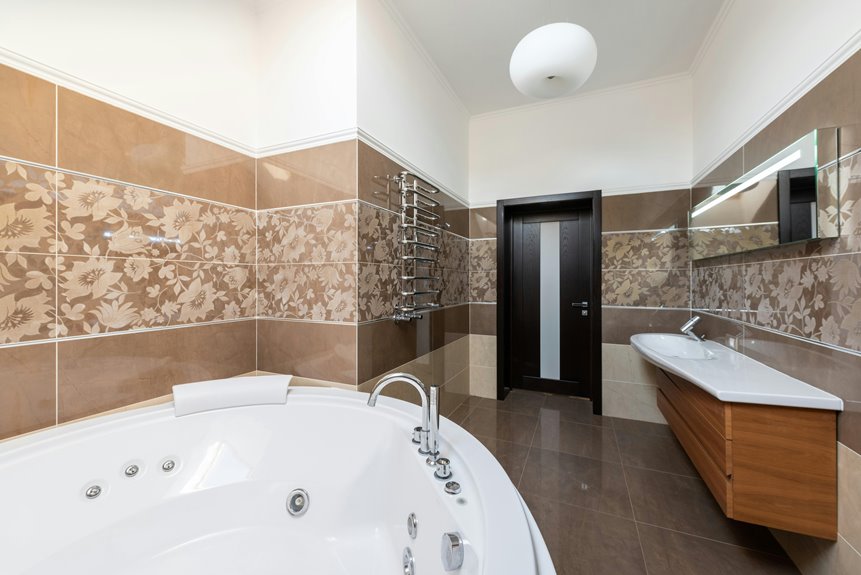
Bathroom decoration costs typically range from $3,000 for a quick refresh to $30,000+ for luxury upgrades, with most solid projects landing around $11,000–$15,000. Your actual spend depends on three main factors: bathroom size, material quality, and scope of work. A small powder room costs less than a sprawling master bath. You can freshen things up affordably with new fixtures, paint, and LED lighting, or splurge on custom cabinetry and premium tile. The specifics of what drives your particular budget reveal themselves once you understand where your priorities lie.
Average Cost to Decorate a Bathroom
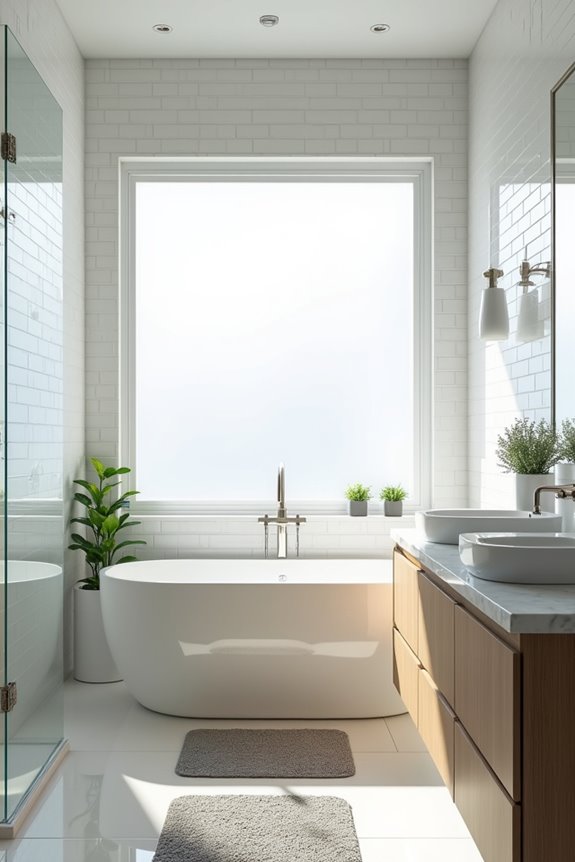
How much should you really spend on a bathroom makeover? I’d say most of us invest between $11,000 and $15,000 for a solid bathroom remodel. You’ll find projects ranging from modest updates under $7,000 to luxurious renovations exceeding $30,000.
Here’s what drives those numbers: your bathroom’s size, the fixtures you choose, and material quality matter tremendously. I’ve learned that materials typically eat up 35–60% of your budget, while labor accounts for the remaining 40–65%. Cost per square foot generally lands between $70 and $200, depending on whether you’re going basic or mid-range.
The real advantage comes when you prioritize smartly. Quality fixtures and finishes create a spa-like feeling, giving your bathroom a polished, well-designed appearance that makes it a pleasant space to use daily.
Key Cost Drivers: Size, Materials, and Scope
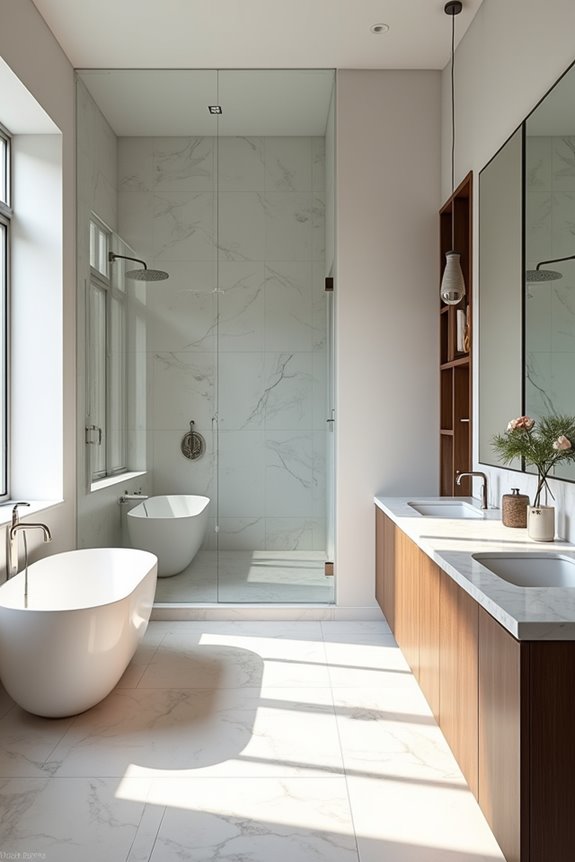
When I’m helping folks plan their bathroom renovation, I’ve noticed that three things really impact the budget: how big your space is, what materials you choose, and how comprehensive you want the project to be. Your bathroom’s square footage matters significantly—a 40-square-foot powder room costs way less than a 100-square-foot primary bath, since larger spaces demand more tile, fixtures, plumbing runs, and labor hours. Then there’s the ripple effect of your choices: picking granite countertops instead of laminate, installing a walk-in shower instead of a standard tub, or doing a full gut remodel instead of refreshing cabinets and paint can easily swing your total costs from a few thousand dollars to $15,000 or more.
Bathroom Size Impacts Budget
Why does a 40-square-foot powder room cost so much less than a 100-square-foot master bath? Your bathroom size directly shapes your total investment. Larger spaces demand more tile, fixtures, and plumbing work, which naturally increases your cost per square foot. Small bathrooms can be remodeled for under $10,000, while bigger ones require substantially more materials and labor.
The relationship is straightforward: expand your bathroom, and you’re amplifying expenses across every category. A master bath’s expanded square footage means purchasing more premium tiles, additional cabinetry, and extensive plumbing installations. Your remodel scope compounds this effect—full renovations in larger spaces involve electrical upgrades and structural changes that smaller projects avoid.
Material quality matters too. Premium finishes cost more per square foot, and larger bathrooms amplify those differences significantly. Understanding how size drives your bathroom budget helps you plan your investment appropriately.
Material Quality and Selection
Your material choices are where you’ll see your bathroom budget shift dramatically, and this is an important part of the planning process. When you pick ceramic tiles versus real stone, you’re looking at a significant price jump. Premium fixtures like brushed nickel faucets cost more than basic chrome options, but they’ll last longer and look sharper. Your cabinet options matter too—custom cabinetry runs circles around prefabricated vanities in price. Tile choices pack a punch since larger format tiles and specialty finishes require specialized installation. You’re making decisions that affect both your wallet and your bathroom’s character. Solid-surface countertops offer a middle ground between budget-friendly laminate and pricey granite. These decisions shape your bathroom’s personality, so choose what appeals to you.
Scope of Work Complexity
Once you’ve settled on your materials, the scope of your work becomes the real budget disruptor. I’ve learned that a simple cosmetic refresh—think new paint and fixtures—costs way less than a full bathroom remodel. But here’s where things get real: if you’re moving plumbing lines, relocating your vanity, or upgrading ventilation, your cost skyrockets. Layout changes demand extra labor, longer timelines, and potentially structural work that catches everyone off guard.
Custom features like built-in shelving or decorative tile accents push spending higher too. The scope of work you choose directly shapes your final bill. A gut renovation involving new systems differs dramatically from updating surface materials alone. I’d recommend mapping out exactly what you’re changing before committing to materials. That clarity prevents budget surprises and keeps your project on track.
Budget-Friendly Bathroom Refresh ($3,000–$7,000)
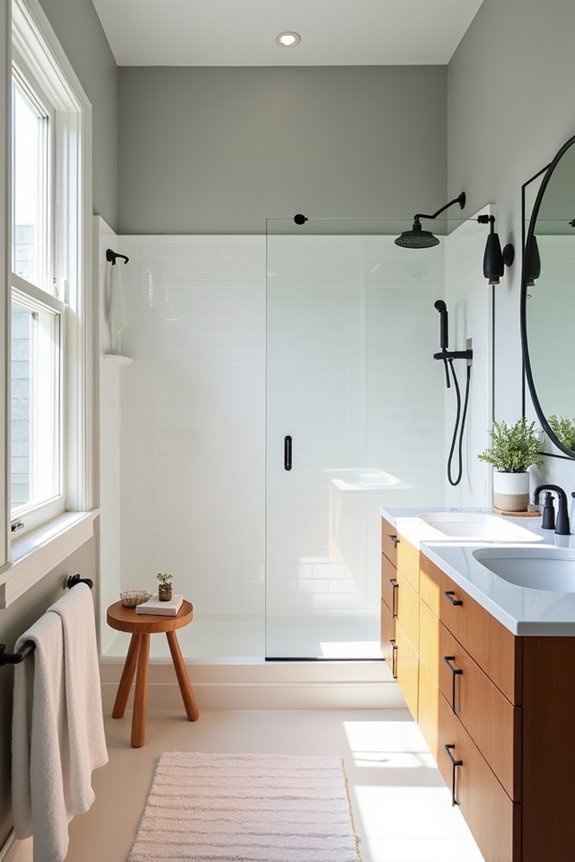
I’m excited to show you how a budget of $3,000 to $7,000 can refresh your bathroom through smart, strategic updates—think fresh paint in calming neutrals, new chrome or brushed nickel fixtures like a rainfall showerhead, and perhaps some sleek LED mirror lighting that modernizes the space. You don’t need to rip out cabinets or retile everything; instead, focus on swapping in a compact floating vanity with built-in drawers or adding wall-mounted shelving units that give you clever storage without eating up floor space. These three moves—paint, fixtures, and lighting plus storage upgrades—create a noticeably improved look while keeping your plumbing and electrical systems right where they are.
Paint and Fixture Updates
Want to refresh your bathroom on a budget? Paint and fixture updates deliver solid results for £3,000 to £7,000.
I’ve found that painting existing tiles or walls cuts costs significantly compared to full retiling. You’ll skip expensive installation labor entirely. New fixtures—taps, showerheads, and lighting—improve your space without major plumbing work. Keeping pipes where they are maintains your budget effectively.
These cosmetic updates focus on what matters most: visual impact. You’re investing strategically in high-visibility areas. Fresh paint brightens everything instantly. Modern fixtures add functionality and style simultaneously.
This approach lets you achieve a refreshed bathroom feeling through targeted, smart spending. You’re not compromising on results; you’re choosing intelligent priorities. The changes work, proving that meaningful updates don’t require structural overhauls or excessive spending.
Smart Storage Solutions
How do you fit everything into a bathroom without expanding the walls? Smart storage solutions work. I’ve found that investing in a multi-functional vanity—one with deep drawers and built-in shelving—makes cramped spaces more organized. You’re getting storage and fixtures combined, which saves both money and square footage.
Wall-mounted shelving above the toilet adds vertical capacity without eating floor space. Recessed niches carved into shower walls hold bottles and soaps. Over-toilet cabinets provide additional storage that serves a practical purpose.
Custom cabinets tailored to your bathroom’s awkward corners maximize every inch. New hardware on existing fixtures refreshes the look affordably. Within your $3,000–$7,000 budget, these practical enhancements create an organized, welcoming space where everything has its place.
Lighting and Mirror Upgrades
The right lighting and mirror combo will improve your bathroom from dim and cramped-feeling to bright and spacious—and these upgrades have a real impact on your daily routine.
I’d recommend layering your lighting with ambient, task, and accent options. This creates functionality and mood without overspending. Backlit mirrors offer both style and practical illumination. Frameless or anti-fog mirrors enhance space perception effectively.
| Upgrade Type | Cost Range | Key Benefit |
|---|---|---|
| LED ceiling fixtures | £300–£600 | Energy-efficient brightness |
| Backlit mirrors | £400–£800 | Space enhancement |
| Dimmable switches | £150–£300 | Mood control |
Quality LED bulbs and dimmable switches keep energy costs down while maximizing atmosphere. These budget fixtures improve your entire space, making mornings feel more purposeful and welcoming.
Standard Bathroom Remodel ($7,000–$20,000)
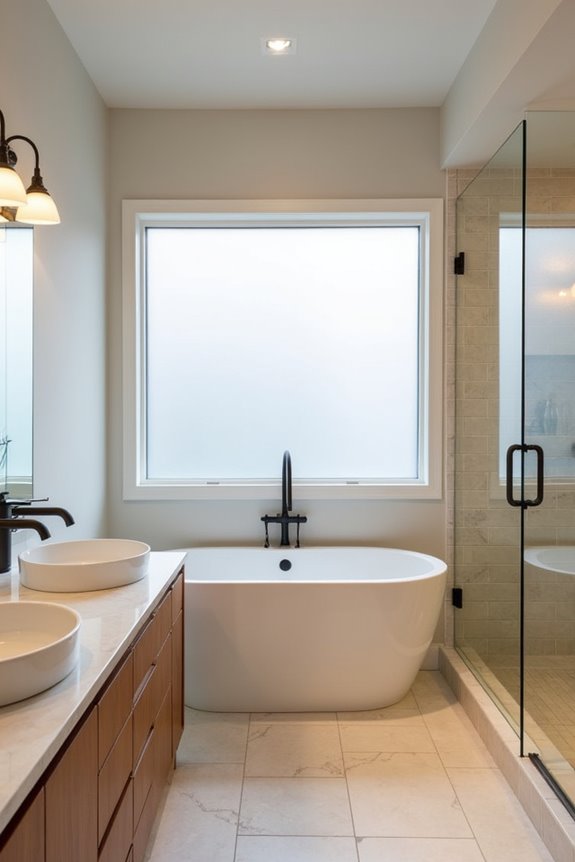
A standard bathroom remodel costs between $7,000 and $20,000, and it’s the ideal range for meaningful improvements.
Here’s what you’re typically getting:
- Replacing fixtures like your shower, tub, and toilet
- New flooring and tile work
- Updated lighting and vanity upgrades
- Mid-range finishes that balance durability with style
- Professional installation throughout
Labor costs eat up 40–65% of your budget, while materials cover the rest. This range lets you invest in quality while keeping costs reasonable. If you’re thinking about plumbing changes or layout modifications, expect to climb toward that higher end.
High-End Bathroom Decoration ($20,000+)
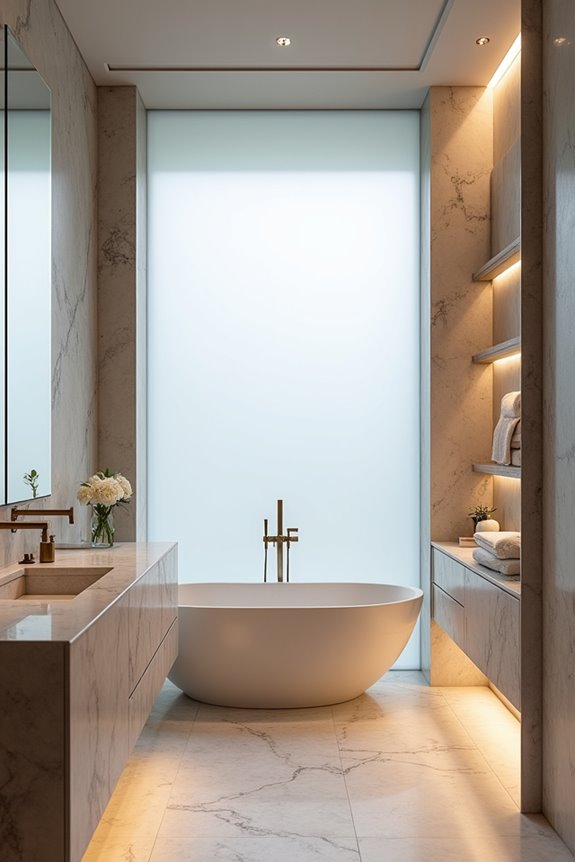
Once you’ve decided that a standard remodel doesn’t quite capture your vision, stepping into the high-end category opens up a whole different world of possibilities. At $20,000 and beyond, you’re investing in a luxury bathroom that functions as a personal retreat. Premium fixtures become your foundation—think designer taps and frameless shower enclosures that catch the light beautifully. Custom cabinetry offers tailored storage that fits your exact needs. You’ll incorporate spa-like finishes through heated flooring, backlit mirrors, and freestanding tubs positioned as central design elements. All-glass elements create an open, airy feel. Plush soft furnishings and carefully selected premium tiles tie everything together with visual harmony. This is a bathroom renovation that crafts your own sanctuary where each detail demonstrates your refined taste and enriches your daily routine.
Where Your Budget Goes: Labor, Materials, and Hidden Costs
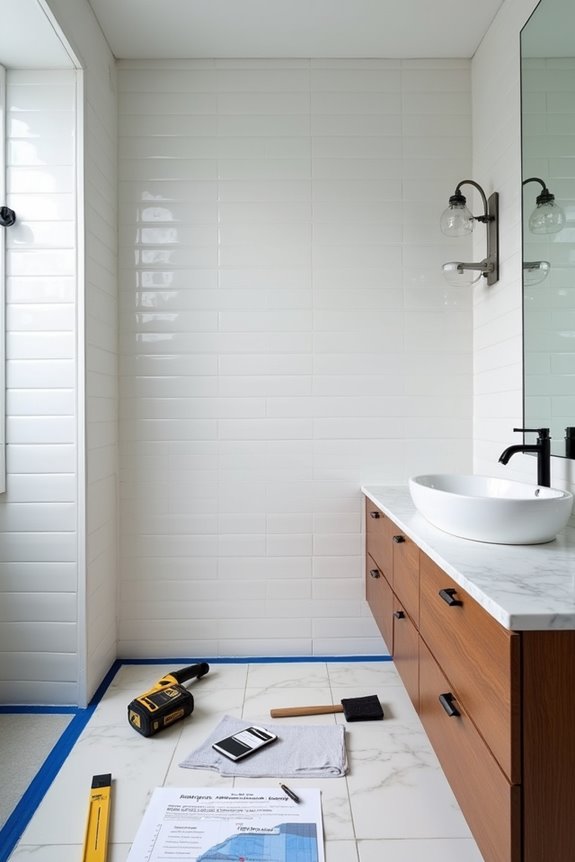
Breaking down your bathroom budget reveals where the real investment goes, and it’s not always where you’d expect.
Your money flows across these key areas:
- Labor (40–65%): Plumbing, electrical work, installation, and demolition take the biggest chunk
- Materials (35–60%): Fixtures, tiles, and finishes range from standard to premium options
- Permits ($175–$2,000): Local requirements vary significantly based on your project scope
- Hidden costs: Architectural consulting, unexpected repairs, and specialized pieces add up quickly
- Layout changes: Moving fixtures multiplies both labor time and material expenses
When you’re investing $20,000 or more, these expenses compound. You’re not just paying for quality finishes—you’re paying skilled professionals who handle the technical work correctly. Understanding this breakdown helps you make informed choices and appreciate the craftsmanship involved in your bathroom renovation.
How Bathroom Size and Layout Affect Your Budget
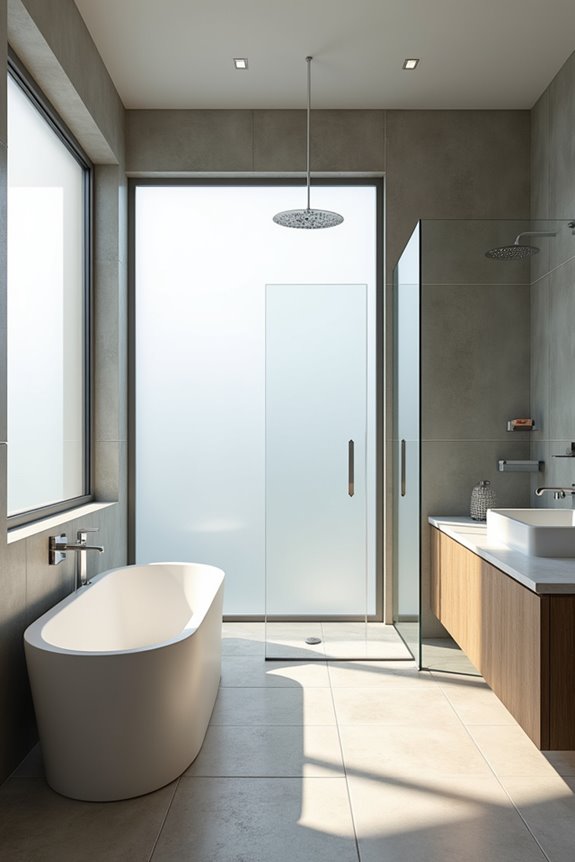
I’ve discovered that your bathroom’s square footage matters—a small 5-by-8-foot bathroom runs thousands in total costs, while a master bath pushes past $30,000 because of expanded fixtures and finishes. When you’re planning your remodel, layout changes like relocating your toilet or shower multiply expenses through extra plumbing and electrical work, so keeping your fixtures in their current spots saves real money. The advantage is that you can create an attractive small bathroom within a tight budget, whereas larger spaces demand more materials and labor time that stack up quickly.
Small Bathroom Cost Efficiency
Why does a small bathroom remodel seem so daunting when it’s actually your chance to work smarter, not harder?
You’re looking at a bathroom remodel cost between £5,000 and £10,000 for your small bathroom—totally doable when you’re strategic. Cost efficiency means prioritizing what matters most to you and your space.
Here’s where you’ll see real savings:
- Skip layout changes to keep plumbing exactly where it is
- Paint existing walls instead of full tile replacement
- Choose budget tiles for visual impact
- Install custom cabinets that maximize storage within your budget
- Focus on essential updates: shower, vanity, flooring, fixtures
With just 1–2 weeks needed for completion, you’re part of a community that’s discovered how small spaces demand clever thinking, not larger budgets.
Master Bathroom Budget Impact
Master bathrooms operate on a much larger scale than small spaces, and that’s where your budget increases significantly. When you’re working with 40 to 100+ square feet, you’re looking at a bathroom remodel cost that typically begins around £30,000 and climbs from there. The cost per square foot for master bathrooms sits in the £120–£200 range, reflecting the premium finishes you’re probably considering. More square footage means more tile, fixtures, vanities, and cabinetry to install. Layout changes—moving toilets or relocating showers—add substantial costs through plumbing and electrical work. You’re investing in heated flooring, frameless glass enclosures, and high-end vanities that will serve as key elements in your bathroom.
Budget-Friendly Updates Under $5,000
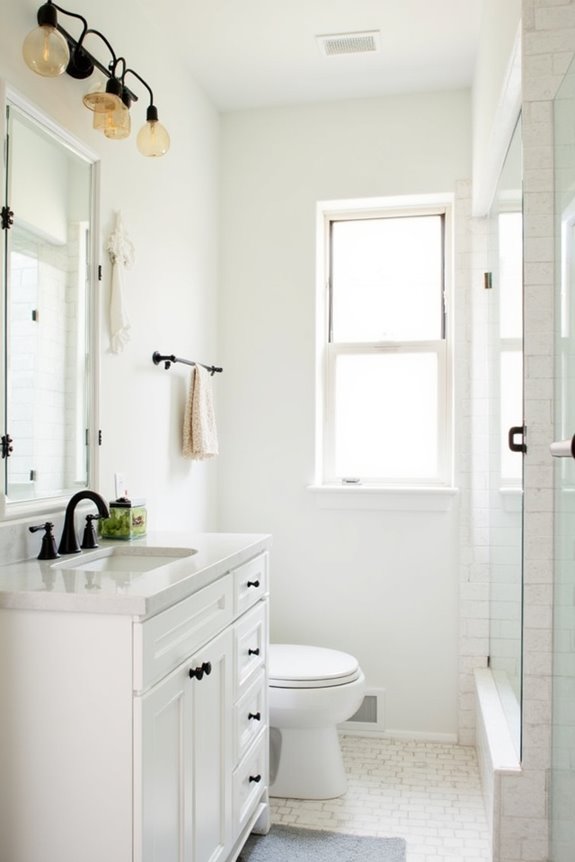
You can refresh your bathroom while staying within budget. Budget-friendly updates under $5,000 deliver solid results through practical choices and focused spending.
A successful bathroom remodel doesn’t require replacing everything. Consider these cosmetic updates that maximize your impact:
- Paint walls and cabinet refinishing instead of replacement
- Upgrade fixtures like faucets and showerheads
- Install budget or standard-grade tiles for limited areas
- Add new lighting, mirrors, and hardware
- Refurbish existing vanities rather than buying new ones
Small bathroom remodels typically cost $3,000–$7,000, so staying under $5,000 is achievable with careful material selection. Pre-fabricated vanities and standard finishes keep expenses down while refreshing your space. You’ll create a functional bathroom within your budget constraints.
Smart Spending: Which Fixtures and Finishes Give the Best Return
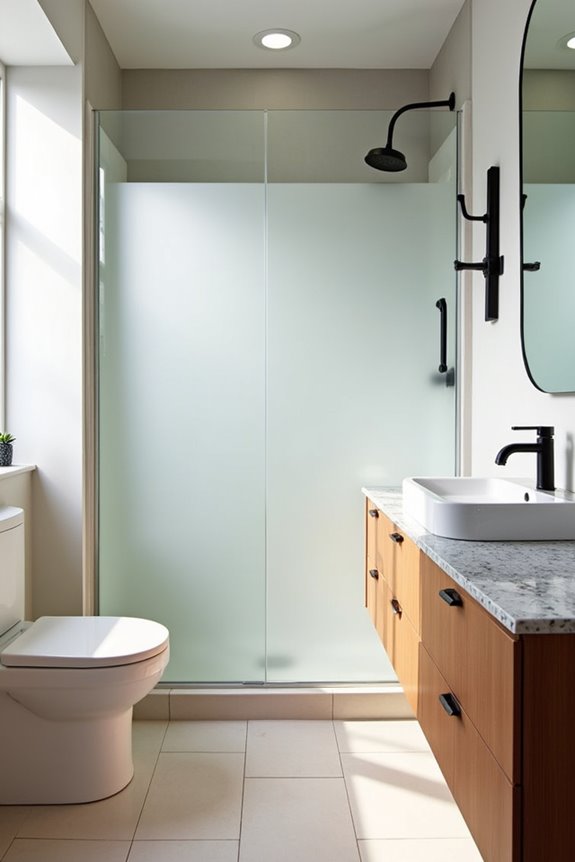
Where should your money go if you’re serious about making every dollar count in your bathroom refresh? I’d prioritize a semi-custom vanity first. It’s the centerpiece everyone notices. Pair it with a stylish sink and updated toilet—these three fixtures improve the entire space without requiring plumbing overhauls.
Next, invest in a feature tile backsplash or flooring. Tile creates visual interest and a polished look. For bathroom remodeling on a budget, refinishing existing elements like your bathtub saves money while delivering freshness.
Skip frameless glass doors for now; they’re beautiful but pricey. Instead, focus on what delivers genuine impact: quality fixtures and statement tiles. You’ll create a space that feels carefully designed without the designer price tag. That’s smart spending that actually pays off.
Timeline and Cost: How Long Until You’re Done?
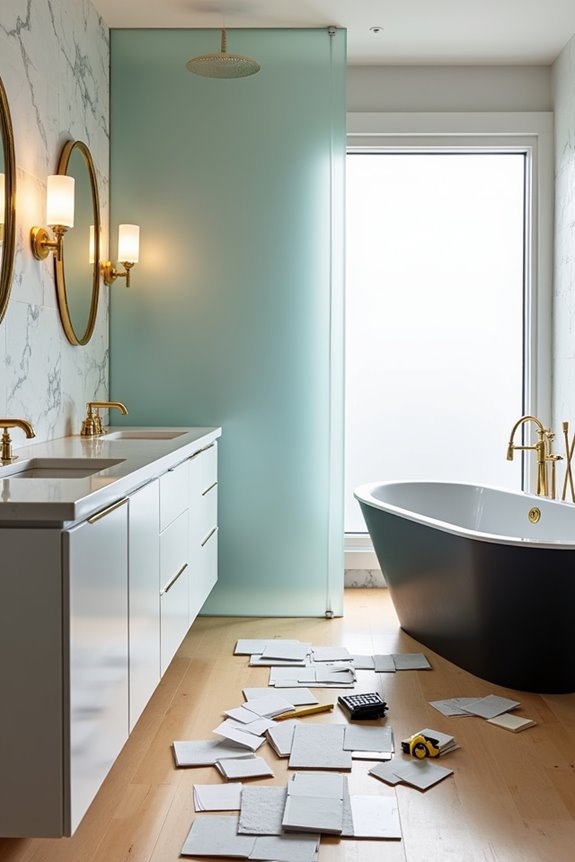
Once you’ve decided where your money goes, the next thing I’d want to know is how long you’ll actually live with dust and disruption. Your bathroom remodel timeline depends directly on your scope and budget choices.
Here’s what you’re typically looking at:
- Small bathrooms: 1–2 weeks
- Medium projects: 2–3 weeks
- Luxury remodels: 3–6+ weeks
- Minor updates: 4–5 weeks overall
- Full renovations: up to 9 weeks
Custom elements like frameless glass or vanities will extend your completion time. The advantage? You don’t have to do everything at once. Phasing your remodel spreads costs and lets you live normally between stages. Working with professionals upfront establishes clear milestones, so you’ll know exactly when you’re done.
Planning Your Project: From Idea to First Quote
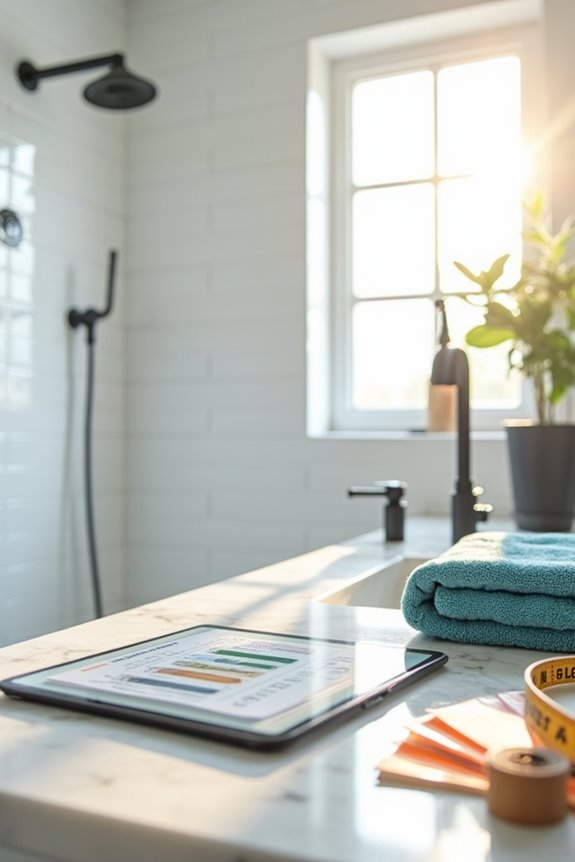
How do you move from dreaming about your new bathroom to actually getting it built? Start by defining your bathroom remodel’s scope. Decide if you want basic updates or a complete overhaul. Next, think about finishes and fixtures—tiles, vanities, shower doors. These choices drive your costs substantially.
Now comes project planning. Consider whether you need layout changes, plumbing work, or electrical updates. These factors stretch both your timeline and budget. Assess your room size too. Small bathrooms typically cost less than $10,000, while large master baths run $30,000 or more.
Finally, gather multiple quotes from licensed professionals. Ask what’s included: demolition, permits, consultations? This prevents surprise expenses. You’re ready to move forward when you’ve collected solid information and feel confident about your direction.